Reduced Operational Dependency
Minimize reliance on manual supervision through intelligent automation and advanced remote plant management systems.
Optimized Workforce Efficiency
Enable streamlined operations with fewer personnel requirements while maintaining system performance and reliability.
Lower Energy Consumption
Improve resource utilization and reduce power usage through smart process optimization and automated controls.
Consistent Regulatory Compliance
Monitor critical parameters continuously to ensure water quality standards and environmental compliance are met.

Faster Return on Investment
Achieve measurable cost savings through improved operational efficiency, reduced wastage, and optimized plant performance.

Reliable Long-Term Performance
Built on robust technology infrastructure designed for continuous operation, scalability, and long-term system dependability.
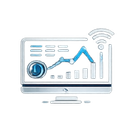
Limited Data Visibility
Disconnected systems restrict access to meaningful insights.
Compliance Uncertainty
Manual reporting increases the risk of inaccuracies and missed requirements.
Excessive Resource Usage
Undetected inefficiencies lead to unnecessary water and energy consumption.
Safety Concerns
Routine inspections may expose personnel to avoidable risks.
Inconsistent Performance
Human dependency can result in variations across daily operations.
No Real-Time Visibility
Delayed information limits timely intervention and control.
Lack of real-time monitoring makes it difficult to track performance, identify abnormalities, and respond quickly to issues.
Limited monitoring of equipment health can lead to unexpected failures, reduced asset lifespan, and inconsistent efficiency.
Without predictive insights, facilities miss opportunities to optimize power consumption and often rely on maintenance practices.

Insufficient access to historical performance data and dependence on highly skilled personnel can slow decision-making.